
Bobbin lace in Peniche: four centuries of an art the town will not let go
Made by hand by the wives of fishermen for four hundred years: the history, the technique and where to see Peniche bobbin lace today.
In this article
A story told with bobbins How the lace is made Classical and popular lace Authentic lace School and museum Frequently asked questions
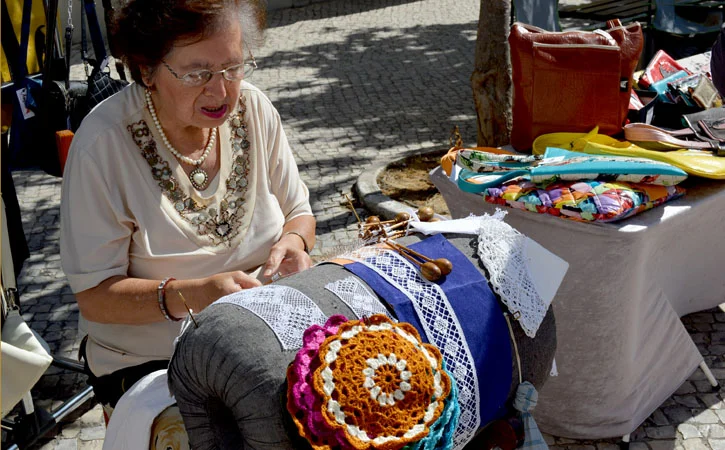
Bobbin lace is a centuries-old tradition in Peniche. For generations the fishermen’s wives made it while the men were at sea, and it often kept the household going when bad weather or the closed season stopped the fishing.
As Jorge Amador, then vice-mayor of Peniche, put it, only a joint effort around this heritage shared by everyone in Peniche can give the craft a future — and new products are the way forward.
A story told with bobbins
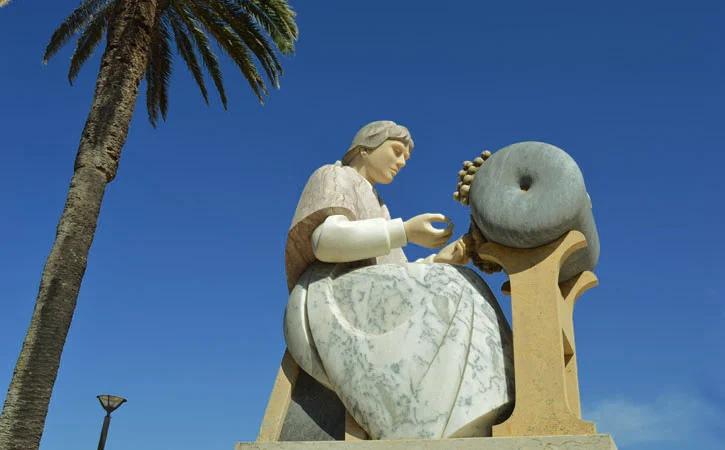
Peniche bobbin lace is more than four hundred years old, dating back to the late 16th and early 17th centuries. It probably arrived through trade between Peniche fishermen and sailors from the Flemish ports of Bruges and Antwerp, and became the signature craft of this fishing community.
In the 19th century most women in Peniche made lace, above all fishermen’s wives, who used it to top up meagre fishing wages. In the early 20th century, as better-paid work appeared, the craft declined — but there was a time when any lace made in Portugal was simply called “Peniche lace”.
How the lace is made
It all starts with a drawing, copied onto graph paper and pricked onto a handmade card, usually saffron-coloured: the pattern or “pique”. The pique is pinned to the pillow and the lace grows from the continuous or alternating crossing of threads wound on the bobbins — small, elongated pear-shaped pieces of wood.
Classical and popular lace
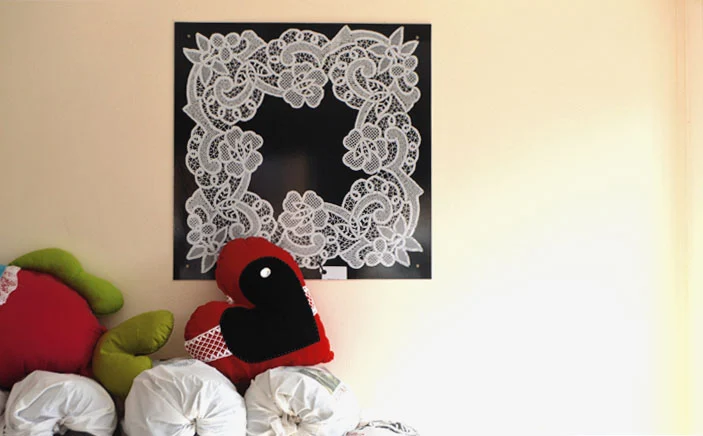
There are two kinds: classical lace, with elaborate, non-repeating patterns that require many different stitches and great skill; and popular lace, with simpler, repeating motifs and traditional stitches.
Two details set Peniche lace apart from other Portuguese bobbin lace: lacemakers here work with their palms facing up, and the lace has no right or wrong side.
Authentic lace
A certificate of origin for Peniche bobbin lace was created in 1996 to guarantee the authenticity and quality of each piece, both in technique and in materials. It is how the ancestral techniques are kept alive.
School and museum: the future of lace
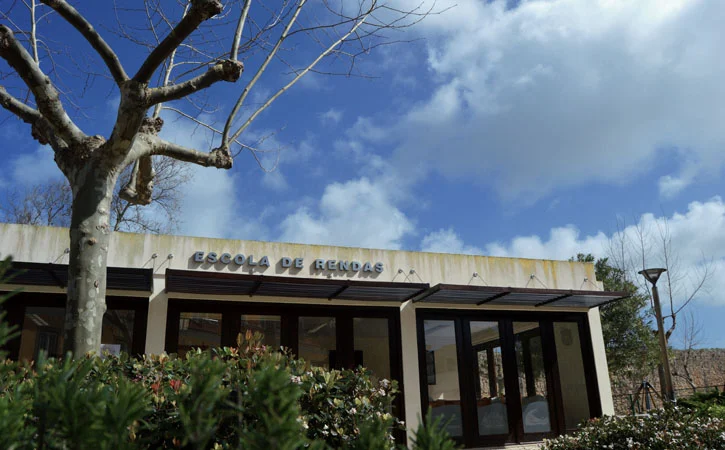
The Municipal Bobbin Lace School is open Monday to Saturday and teaches beginners and advanced lacemakers, as well as drawing and darning. Wednesday evenings are set aside for young adults who cannot attend during the day.
To see the finest pieces, visit the Bobbin Lace Museum, which aims to be a living museum embraced by the community. In July, the International Bobbin Lace Show brings together lacemakers from Peniche and abroad.
Recommended guided tour
Three hours on foot through the Fortress and the historic centre of Peniche with a local guide, ending with a tasting of traditional sweets.
Frequently asked questions
Where can I see bobbin lace in Peniche?
At the Bobbin Lace Museum, the Municipal Bobbin Lace School and, in July, at the International Bobbin Lace Show.
How many types of bobbin lace are there in Peniche?
Two: classical lace, with complex non-repeating patterns, and popular lace, with simpler repeating ones.
How do I know a piece is authentic?
Since 1996 a certificate of origin guarantees the authenticity and quality of Peniche bobbin lace.
More about Peniche
- What to see in Peniche
- Peniche annual events
- The Berlengas archipelago
- Essential Peniche
- Tours in Peniche
This article was prepared by the GoPeniche team, the tourist guide to Peniche. Please check dates, opening hours and prices before your visit.